
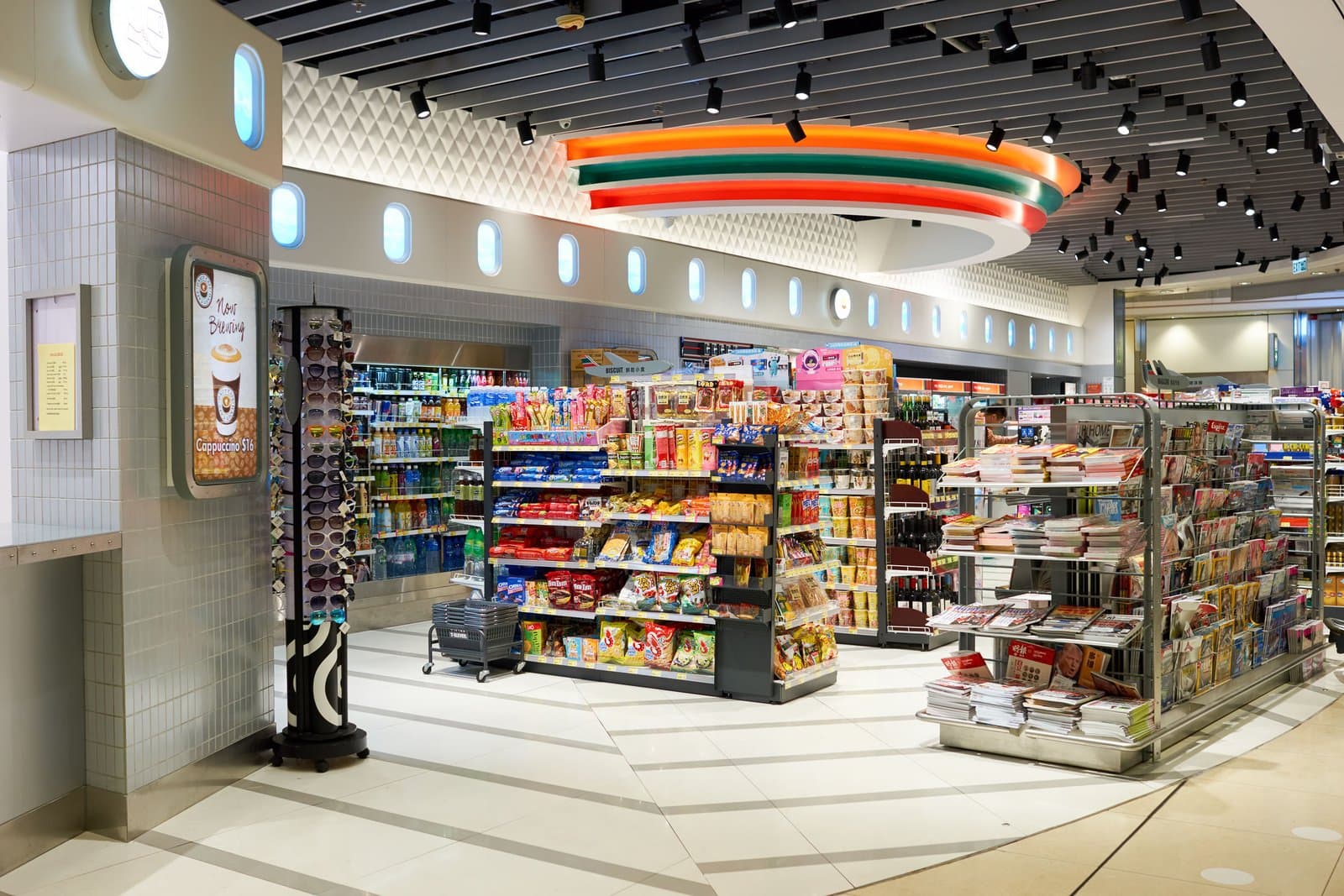
A convenience-store forecast becomes more useful when it explains the mix of purchases, not just the total sales target. Beverages, prepared food, grocery essentials and other categories can require different amounts of space, equipment, inventory and staff attention.
Identify the store's main shopping missions
Start with the customer need: a commuter stop, a quick meal, a neighborhood top-up purchase or a visit connected to fuel. A single location may serve several missions, but the proposed assortment should show which ones are central to the concept.
The Census Business Builder offers selected demographic and economic information for market research. Use local context alongside direct observations of the site and existing shopping alternatives. Demographics help frame questions; they do not reveal the contents of a future customer's basket.
Give each category an operating explanation
Create a product-mix worksheet with columns for the customer need, proposed space, equipment, supplier information and unresolved assumptions. For prepared food, include production and service requirements. For chilled products, identify refrigeration needs and stocking arrangements.
If an existing business is being evaluated, request available category-level sales records and explanations of the reporting definitions. Keep fuel transactions, inside-store transactions and combined visits distinct wherever the records allow.
Check the customer route through the property
Review arrival, parking, entrance visibility, checkout and departure. A good assortment cannot resolve every access or circulation problem. If the project includes fuel, ask how pump activity, pedestrians and store parking interact.
Compare nearby alternatives by the shopping mission they serve. A supermarket may compete for household essentials while a quick-service restaurant competes for breakfast. A simple store count can miss those differences.
Turn the mix into testable assumptions
For each major category, write down why the expected demand is plausible and what evidence would change the estimate. Note proposed promotions or loyalty programs separately from demonstrated repeat purchasing.
A practical study package includes the site layout, category plan, available operating records, proposed hours and known equipment requirements. Learn more about convenience-store feasibility studies to connect trade-area demand, access, product mix and financial assumptions before finalizing the concept.